

toughened mirror glass
The Importance of Taper Gauge Measurement in Precision Engineering In the realm of precision engineering, the accuracy of dimensions and tolerances plays a critical role in ensuring the functionality and reliability of mechanical components. One of the essential tools used in measuring dimensions, particularly in cylindrical workpieces, is the taper gauge. This article delves into the significance of taper gauge measurement and its application in various industries. A taper gauge is designed to measure the taper or angle of a surface, allowing engineers and machinists to assess how much a workpiece deviates from its specified taper. Tapers are commonly found in numerous applications, such as in the production of machine tools, pipes, and automotive components. Measuring taper is vital because even minute discrepancies can lead to improper fit or functionality, resulting in costly rework or product failure. The process of taper gauge measurement involves inserting the tapered end of the gauge into the conical feature of the workpiece. The gauge consists of a series of marked increments that correspond to specific angles and diameters . By determining where the gauge fits snugly, engineers can ascertain whether the workpiece is within acceptable limits. This straightforward yet effective approach allows for quick assessments, enhancing productivity without compromising accuracy. taper gauge measurement Moreover, the versatility of taper gauges extends beyond simple measurements. They can be employed in quality control processes to verify that components conform to engineering specifications. In industries such as aerospace, automotive, and manufacturing, where precision is paramount, taper gauges serve as a reliable means to uphold stringent quality standards. In addition to its practical applications, taper gauge measurement is crucial in maintaining compliance with industry regulations and standards. Many sectors have strict guidelines that necessitate the use of precise measurement tools to ensure safety and performance. Utilizing taper gauges not only aids in complying with these requirements but also fosters a culture of excellence within organizations. In conclusion, taper gauge measurement is a vital aspect of precision engineering that warrants careful attention. By utilizing this tool, engineers and machinists can guarantee the integrity of their workpieces and uphold quality standards. As manufacturing processes continue to evolve, the role of taper gauges will remain indispensable, ensuring that components fit together seamlessly and perform optimally in their intended applications.
about
toughened mirror glass
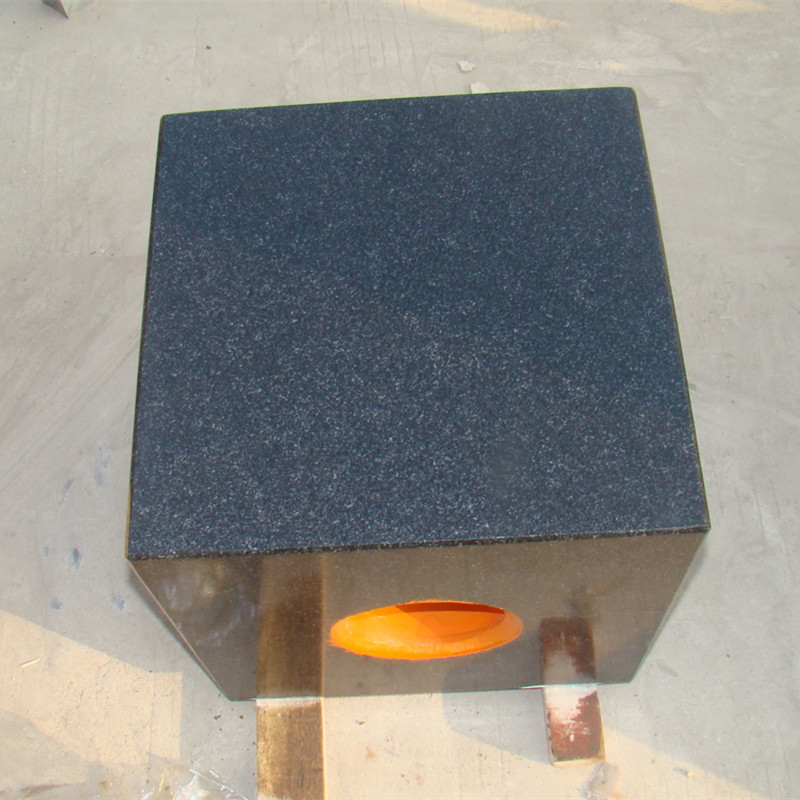
Accurate level measurement is critical in industries ranging from manufacturing to chemical processing, ensuring operational efficiency and safety. With various level measurement tool technologies available—from ultrasonic to radar and mechanical options—selecting the right solution can be challenging. This guide compares different precision measuring tools , including specialized instruments like the granite angle plate , and explores their applications in measuring tools in metal work . Whether you're a quality control specialist or a precision tool and Gage distributor, understanding these technologies will help you make informed decisions for your specific needs. Types of Level Measurement Tool Technologies When choosing a level measurement tool it's essential to understand the strengths and limitations of each technology. Ultrasonic sensors excel in non-contact applications, using sound waves to detect liquid or solid levels in tanks. Radar-based tools offer high accuracy even in harsh environments with dust, vapor, or temperature extremes.For direct measurements, mechanical options like float switches or sight glasses remain reliable and cost-effective. In measuring tools in metal work , laser-based systems provide micron-level precision for alignment and surface profiling. Each method serves distinct purposes, from bulk material handling to precision machining applications requiring precision tool and Gage accuracy. Precision Tools Of Level Measurement Tool F or Industrial Applications Beyond basic level detection, many industries require precision measuring tools for quality assurance and process control. Laser alignment systems ensure machinery operates within tight tolerances, while optical levels provide accurate reference points for large-scale installations. The granite angle plate serves as an essential reference surface in etymology labs, offering thermal stability and flatness for calibration.In metal fabrication, specialized measuring tools in metal work like height gauges, dial indicators, and coordinate measuring machines (Cams) verify dimensional accuracy. These instruments complement level measurement devices by providing comprehensive quality control solutions. For distributors of precision tool and Gage equipment, offering a complete range ensures customers can address all their measurement challenges. Factors T o Consider When Selecting Level Measurement Tool Choosing the right level measurement tool requires evaluating several key factors. Measurement range and resolution determine whether a device can meet application requirements—ultrasonic sensors may struggle with foamy liquids, while radar handles such conditions well. Environmental conditions like temperature, pressure, and chemical exposure also influence technology selection.For precision measuring tools used in quality control, repeatability and calibration frequency are critical considerations. The granite angle plate , for example, must maintain its dimensional stability despite temperature fluctuations. Ease of integration with existing systems and maintenance requirements further differentiate options, helping users balance performance with operational practicality. Industry-Specific Level Measurement Tool Solutions Different sectors demand tailored approaches to level measurement and precision verification. In petroleum storage, guided wave radar provides reliable readings despite tank roof interference. Food and beverage operations often prefer hygienic level measurement tool designs with easy-clean surfaces. Semiconductor manufacturers rely on ultra-precise measuring tools in metal work to maintain clean room standards.The precision tool and Gage requirements for aerospace differ markedly from those in automotive manufacturing. Understanding these nuances helps suppliers recommend optimal solutions. Even the humble granite angle plate finds specialized uses across industries—from machine shop layout to optical component inspection. Level Measurement Tools FAQs What's the most accurate l evel m easurement tool technology? Radar-based level measurement tools typically offer the highest accuracy (±1mm or better), especially in challenging conditions. However, for laboratory applications, laser systems paired with precision measuring tools can achieve even finer resolution. How often should precision l evel m easurement tool equipment be calibrated? Most precision tool and Gage instruments require annual calibration, though high-use environments may need quarterly checks. The granite angle plate typically only needs verification every 2-3 years due to its exceptional stability. Can one l evel measurement tool handle both liquids and solids? Yes, technologies like radar and ultrasonic work with both media types. However, specialized level measurement tool designs exist for powders, flurries, and other unique materials where standard devices might fail. Why use granite for l evel m easurement tool surfaces? The granite angle plate offers unmatched stability, vibration damping, and thermal characteristics. Unlike metal, granite won't warp over time and provides a perfectly flat reference surface for measuring tools in metal work . Where can I source reliable l evel m easurement tool equipment in bulk? Our company specializes in high-quality level measurement tools . We offer wholesale pricing on all precision tool and Gage equipment with certified calibration and technical support.Selecting the optimal level measurement tool requires matching technology capabilities to specific application demands. From rugged industrial sensors to delicate precision measuring tools , each solution serves unique purposes across manufacturing sectors. The granite angle plate exemplifies how specialized instruments deliver unmatched performance in quality control environments.For distributors and industrial buyers, our comprehensive range of measuring tools in metal work and precision tool and Gage equipment provides solutions for every challenge. Contact us today to discuss your measurement needs and discover why leading manufacturers trust our products for their most critical applications. Invest in precision—your operations deserve measurement tools that deliver consistent, reliable results.
-

High quality industrial productsagement

High quality industrial products
View Details -

Meet the diverse needs of customers

Meet the diverse needs of customers
View Details -

Strict quality control

Strict quality control
View Details -

Top raw materials

Top raw materials
View Details -

Trusted supplier

Trusted supplier
View Details
Our application


news and information
Using stamped truss nails for plate connection.
The Significance of Stamping in Truss Nail Plate Technology In the realm of construction and woodwo
Using a Thread Ring Gauge for Precision Thread Measurements and Inspections
The Importance of Thread Ring Gauges in Quality Control Thread ring gauges are vital tools used in v
Versatile 90 Degree Angle Tool for Precision Measurements and Layouts
The 90-degree angle ruler, also known as a right angle ruler, is an essential tool in various fields
 English